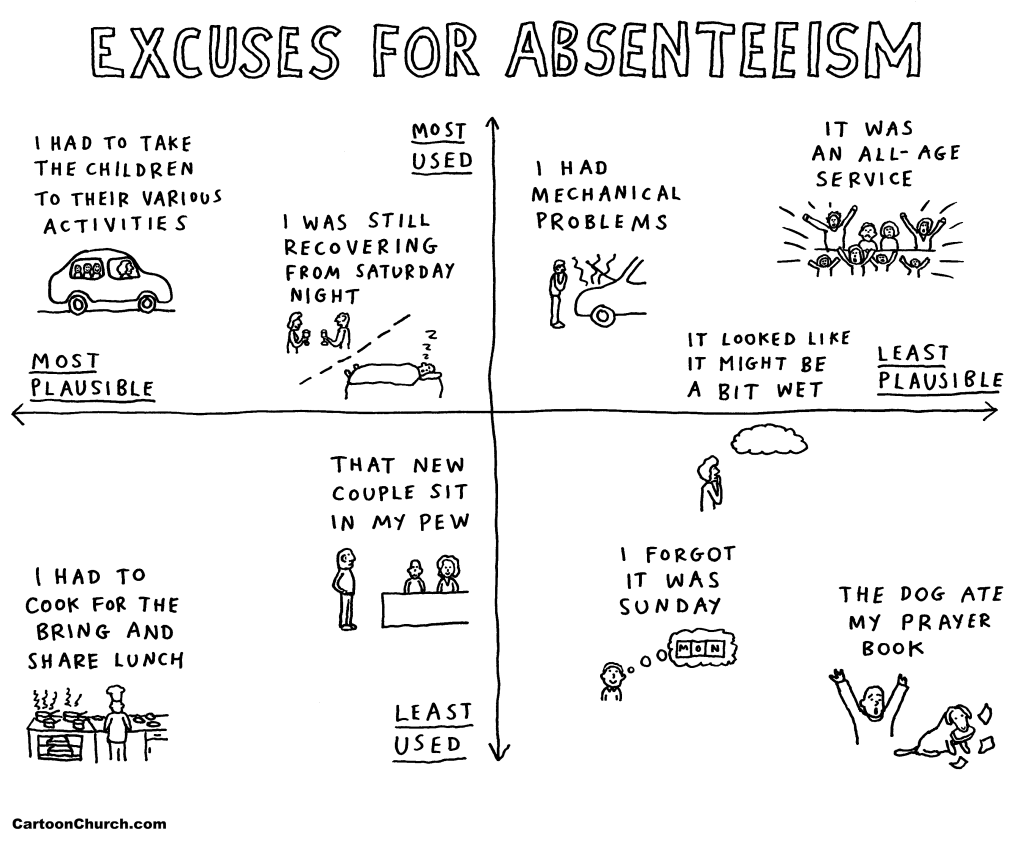
Our individualistic Western culture has made us terrible forgivers and virtually unable to accept forgiveness from others. We have turned forgiveness into being excused. We have emptied the purpose of forgiveness and replaced it with a desire to feel better or to be justified in our righteousness.
“We often confuse forgiveness with excusing” – Lewis. This is especially true in our pursuit of being forgiven; we want others to understand and justify our actions with us. “In the case of an excuse, we accept ours far too easily, and in our brother’s case, not easily enough” – Lewis. An excuse does not require forgiveness. Forgiveness requires the full measure of the debt. Proverbs 28:13
The solution to the problem of forgiveness is awareness and responsibility. You cannot take responsibility for something if you remain ignorant. To be forgiven means to listen and hear the reality of your actions. To forgive means to take responsibility for the debt someone else owes you. Therefore, to be good at forgiveness means I can accurately and honestly assess the debt.
We are hopeless ever to experience true forgiveness unless we throw off the false forgiveness we have learned from culture and pick up the forgiveness found in scripture. The easiest way to grant forgiveness to someone else is to accept the forgiveness already granted to you.
Colossians 3:13 – We shouldn’t need this reason. However, the reason is here anyway. Forgive because you are forgiven. It is an echo of an earlier teaching of Jesus.
Matthew 18:21-35. In this parable, the king forgives the servant of an enormous debt. Then, the servant turns around and throws another servant into jail for not repaying a tiny debt.
I am guilty of this very thing, and sadly, the legalistic Christianity that I have grown up in has conditioned me to throw myself in jail.
John Newton wrote to a young man who was constantly depressed. “It shows great spiritual pride and self-righteousness to shamelessly excuse oneself or indulge in morbid self-hatred.” “Your understanding of the gospel is sound, but something legalistic in your experience which perplexes you. You cannot be too aware of the inward inbred evils you complain of, but you may be. Indeed, you are improperly affected by them. You not only express a low opinion of yourself, which is right, but too low an opinion of the person, work, and promises of the redeemer, which is certainly wrong. Satan often desires to teach us humility. Though I wish to be humble, I desire not to learn in his school.”
The enemy of forgiveness is pride. Pride says that there is no debt I owe to anyone. Pride also says that you owe me for any offense I deem worthy. Pride destroys relationships. It minimizes or reframes the debt into something that makes it less or more than it is. Pride acts like the Stotics in their superiority of the debt. Pride keeps score and demands immediate trust.
The opposite of pride is humility. Humility says I may owe someone a debt. Humility also says they may have a good excuse. Humility seeks restoration of the relationship. Humility looks the reality of the debt square in the face. It neither minimizes nor maximizes the debt. Humility seeks to earn trust and keep no score.
The most helpful illustration I have heard has been that forgiveness is like buying back on credit, the debt someone owes you. Therefore, I am making payments on the hurt until the balance is zero. I make payments from my account, not my brothers.
I have never been very good at forgiving myself. When I attempt to forgive myself, I use the passing time to create distance between me and the offense. The more time passes, the harder it is to associate myself with it, and shame decreases. When there is minimal association and shame, I can now excuse my behavior with ease or hope the offended person forgets. It is sad because it is not forgiveness. It is ignorance. Ignorance leads to a repeat of the same debt because I have not dealt with it appropriately. I have just distanced myself from it. Forgiveness is hard, and so is being forgiven. It bears a sober look at reality.
Forgiveness is the cross. Forgiveness restores relationships. Forgiveness is the mark of humility. Forgiveness is the single indicator showing our proximity to reality. If I do not forgive, I am not living in the reality of Christ’s complete and perfect work. If I cannot accept Christ’s forgiveness, I must not understand the work of the cross, and if I do not understand the work of the cross, I can not forgive my brother.
 Nos & Rehtaf, Dnabsuh