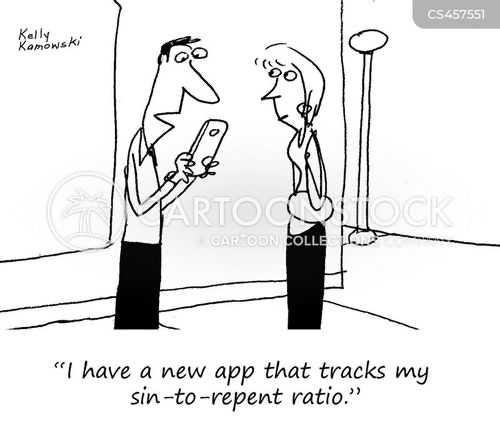
I may get myself in trouble again. Repentance is one of those Christian terms I was taught early, but I am still trying to understand it beyond a 180-degree turn. This understanding serves well right away but leads to questions shortly after the next sinful activity. I believe this view has us with a cart before the horse situation. Once moving, it becomes increasingly difficult to put them right again.
The Oxford Dictionary defines repenting as feeling or expressing sincere regret or remorse about one’s wrongdoing or sin.
Is repentance the cause or the effect? Is repentance the turning, or is it the cause of the turning?
Cambridge Dictionary – the fact of showing that you are very sorry for something bad you have done in the past and wish that you had not done it.
This definition offers me no reprieve from the confusion. The scripture seems to confirm this confusion.
Matthew 3:8 – Bear fruit in keeping with repentance.
“9 And do not presume to say to yourselves, ‘We have Abraham as our father,’ for I tell you, God is able from these stones to raise up children for Abraham. 10 Even now, the axe is laid to the root of the trees. Every tree, therefore, that does not bear good fruit is cut down and thrown into the fire.”
This verse shows repentance is not the same as the fruits of repentance. True repentance would manifest fruit. The problem with viewing the two as the same is that we put the cart before the horse. The horse is repentance, and the cart is the fruit. This “horse cart” problem reappears when we attempt to do the fruits first instead of allowing them to manifest from true repentance.
Repentance is not feeling bad because of the consequences you must endure or the consequences that the actions produce. It is the remorse regardless of the consequence. If you don’t feel bad for the same sin when you are not found out, there is a good chance you just feel bad because you were caught. This feeling of consequence is good but does not carry the weight when held up over time. Being repentant for the reason the thing is wrong is what hits the mark and will cause actual change.
To have fruit is not merely a stronger resolve. It is not making more sincere vows. It is not even trying harder. Understanding the offense committed must move us to take steps to minimize the chances of the offense occurring again. I call it “closing loopholes.” Do I hate the offense enough to stop trying hard and instead close the loophole? Or do I hate it because I feel the consequences? If it is because of the consequences, I will seek to minimize them, or my attempts to close loopholes will be in service to me not being found out. (I only close the most vulnerable ones)
I hesitate to support action as a foundation for repentance because it will inevitably lead to consequence-based repentance. I agree that repentance may not be genuine if it produces no fruit. However, if we judge based on fruit, we may fool ourselves and be fooled by those who are only repentant because of the consequences they face.
The fact is, some of us experience immediate life-changing fruit. Others do not manifest instantly; if we push the matter too hard, we will push them into consequence-based repentance. These are those we see constantly beating themselves up for the wrong they do or isolating themselves. We must be calculated in our approach to the fruit of transformation. It is not an encouragement of the proper behavior. It is an encouragement of proper belief in condition and the Savior.
Does repentance happen before or after salvation? Based on the passage in James 2, repentance must come first. How can you believe in a truth if that truth holds you to the condition of your current state? How can you truly repent if you do not understand the sin beyond its natural consequences?
Are you aware of the truest reality of your current condition and position? How does that make you feel?
The more I face the reality of my ugliness in light of God’s truth, the more genuine I repent, the more fruit appears, and the deeper my faith grows. True repentance exists no other way.
 Nos & Rehtaf, Dnabsuh