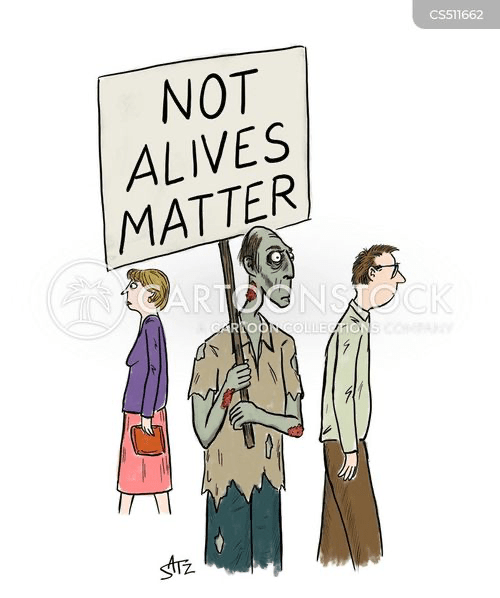
I was confronted with another question the other day from my wife. It wasn’t her question but one that was posed to her by a friend. This letter is not directed toward the friend but towards Christians who are discontent with how they feel in a church. They tend to ask questions or say, “This church doesn’t feel alive,” or “Our church is “more alive” than this one, right?”
What does more alive mean? “More alive” is another often-used term in the church that I find incredibly absurd. Imagine for a minute you were observing a newborn, a toddler, a teenager, a middle-aged mom, and a grandfather. Then answer the question: which one is the most alive? If you answer too fast, you may end up betraying your bias.
The word alive means living, not dead. Words matter. Do you want to give another shot at answering the above question? If you answered the toddler, you weren’t giving the more alive answer but describing a more active one. If you answered with the grandfather, maybe you were thinking more about the quantity of life.
I understand the intent behind giving degrees to living. We attempt to communicate or motivate others to action. We are so afraid of something dying that the closer we get to death, the more overreaction occurs. However, we would be foolish to believe that the difference between dead and alive is the same as active and not active.
To illustrate this point, if you based “alive” on the same level as “action,” we would resort to giving the AED paddles to anyone without the energy of a toddler or the lungs of a newborn. What we do to the dead vastly differs from what we would do to the inactive or tired. So why would we treat a church that is alive but inactive the same way?
The danger is in throwing the word “alive” at a local church body because the alternative is that they are dead. The response to the dead is to forsake or attempt to bring back alive. The problem arises if they are, in fact, not dead. The response to a dead church will usually kill the inactive one. You don’t give the paddles to a tired middle-aged mom. You give her rest, encouragement, instruction, and a small step towards something good.
I will concede one point. Dead and inactive can look remarkably similar. However, we should take more time before we begin the funeral. My argument is not that we need to become less responsible in our diligence to become more like the bride we should be. I suggest stopping the euthanizing of old people and “paddling” the tired middle age. The call is to understand and love. There is a reason America is flooding with personal trainers, diet coaches, and financial planners. We long to be a disciple of something.
As soon as I bring up the topic of church coach, I cringe because the picture that floods my mind is of a consultant who has no faith and has just turned faith into a profession because he is good at it. However, what is the difference between a church coach/ consultant and a Pastor, elder, or father?
The right questions lead us in the right direction. Questions might be the thing that keeps us where we need to be. There is a significant difference between questions and solutions. Questions sometimes have different answers. Solutions are rigid. You cannot have a good solution without a question, but you can have questions without a solution. We may have stopped asking the right questions if we constantly revisit the same solutions. My question would be, what questions are you answering with your solution, and is that the most critical question that needs an answer?
In the same way, “Do we have a church marketing budget?” is a ludicrous question, so is, “Is my church more alive than another?” The more I read old books, the more I realize the importance of words. They matter, and so do the questions posed using those words. I have often heard and said, “There are no stupid questions.” The intention behind this is good, but it falls short. I think the maxim is still valid if you were to add to it, “but there are stupid ways to ask them.” I like it better than the other familiar ending, “just stupid people.”
So, there are some better questions. Is my church alive or dead? Is it inactive or active? Is there an activity I do not see? What is the activity I should see? What activity is inherently unseen? How much do I contribute to its activity or inactivity? What is the step forward that I can make to contribute to making the local body I attend more active than they were last week?
Seriously, facing these questions gets at the root of the genuine concern behind the question: is that church more alive? If we think about the questions before we ask them, our chance of getting the right answer is better, and if we think about our solutions after we have asked the right question, there is a good chance we won’t murder the tired and inactive.
 Nos & Rehtaf, Dnabsuh